

Victoria Watters, Co-Founder of Dry Atlas, went on a year-long journey to meet the beverage producers shaping the global non-alc movement. She sat down with TNB to share her findings and some of her favorite drinks worldwide.
Victoria, thank you so much for the time today. I'm really excited for this conversation. To get started, tell me a little bit about yourself and the incredible year of travel you’ve just had. What was the inspiration for that, and what were you hoping to learn?
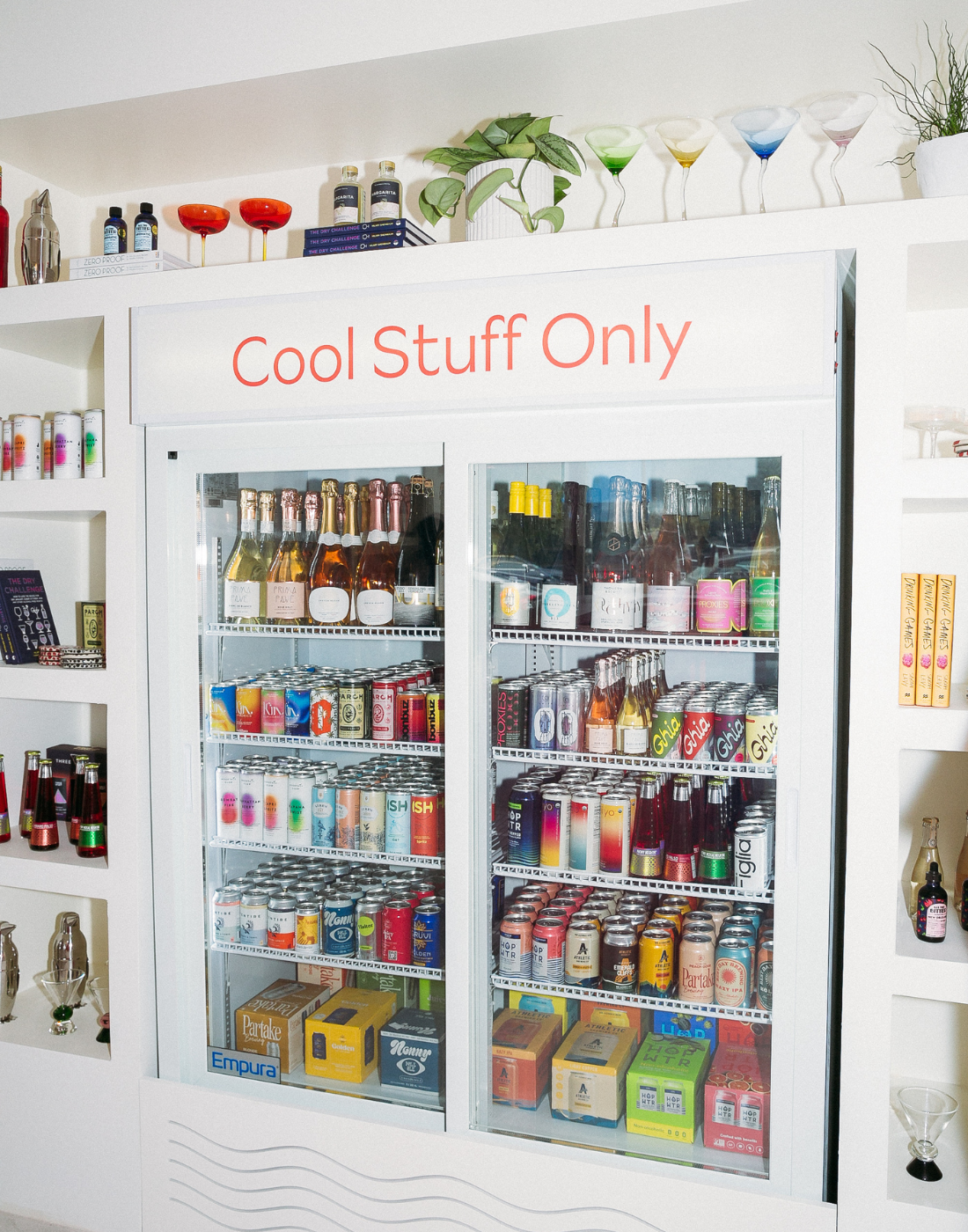
As you know, Brianda, my husband Douglas and I have been in the non-alc space for a number of years now. In 2020, we opened Spirited Away, which is America's first non-alcoholic bottle shop. We still own and operate that store today, but as we got deeper into the non-alc space, we realized that a ton of innovation was happening outside of the United States.
The movement was much bigger than New York, or LA, or San Francisco—the areas that people typically associate with low- and no-alcohol. So we started to think about how we could explore the world of alcohol alternatives beyond what we were seeing day to day in our retail store. That's how we started thinking about Dry Atlas, our second business—a media company focused on non-alcoholic spirits, wines, and beers that reaches a global audience.
As we planned to launch Dry Atlas, we decided to embark on a year-long trip, which was also an excuse to travel while discovering the best in booze-free around the world. We visited 13 countries across Europe, Asia, and Central America. We met with so many amazing producers, took tours of their facilities, discussed their plans for global expansion, and tried countless beverages that aren't yet available in the US. It was an incredible year that deepened our passion for the alcohol alternatives space even further—and we were already four years into running Spirited Away.
What were the biggest differences that you observed in terms of drinking culture in the places that you visited?
What it really showed me is that the US is quite unique in its drinking culture—historically very much an “all or nothing” approach to alcohol, at least leading up to the moderation movement we see today.
I was struck in particular by how seamlessly integrated non-alcoholic options were on European menus. In the US you'll increasingly find options, but they're often sequestered to their own non-alc section. At a café in Portugal, for example, you'll see all the beers listed by ABV, with several options under 0.5% right there alongside the rest. It felt more natural to flow between alcoholic and non-alcoholic choices. This probably isn't a surprise for anyone following the low-alc side—with spritz culture, lower ABV options becoming more interesting. I really loved just how natural it feels to order a non-alcoholic beer in Europe, versus in America where it's still more relegated to its own corner of the menu.
In Asia, I really appreciated the commitment to the artisanal side of beverages. A lot of the discourse in American drinking culture frames mocktails as “less than” or focuses on “what's a good substitute for the real deal.” Whereas in Asia—particularly with premium sparkling tea producers—there was a genuine appreciation for the art of the drink itself, which just incidentally doesn’t include alcohol.
In Central America, specifically surf towns, it was fascinating to see how that wellness culture—like Costa Rica’s “pura vida”—naturally builds an aversion to alcohol. It's more “let's have a kombucha after we surf.” There wasn’t much in the way of spirit alternatives you might find at The New Bar, but a real embrace of options that support an active, healthy lifestyle.
It's interesting because you do start to see things more seamlessly integrated into menus in Europe now. It's still a bit surprising because there's such a notion that the French, for example, love their alcoholic wine. The Italians maybe wouldn't dream of changing this “perfect substance” in their minds, but more and more often I see photos from friends as they travel and they're like, “this is just not even a thing.” You don't have to say, "Do you have a non-alcoholic version of something" because it's already included within the options that you're seeing. It's considered wine or beer just as the others, but at a lower ABV, which I think is super, super fascinating.
Exactly. The category doesn't have to explain itself or justify itself there—it's less of a distinct category, which has pros and cons.
One thing I love about the US market is that there’s a real community of non-alc businesses working together to normalize this stateside. I think that collective push will probably change the face of social drinking much more quickly than what's happened in Europe, where the shift has had a longer, more gradual timeline.
That makes sense. So I know you spoke with a lot of producers abroad. Did you have a chance to speak to many consumers abroad and hear how they think and talk about nonalc in different cultures?
It's interesting. There’s less of a defined “non-alc consumer” abroad—it’s more people who are open-minded to trying different things.
Denmark in particular left a strong impression on me, both from a consumer and a producer perspective. It has extraordinary food and beverage innovation. Most people are familiar with the New Nordic Cuisine movement and the fact that some of the world's best restaurants come from a country of just 5 million people. There's so much innovation and open-mindedness to what food and beverage can look like.
Unlike France or Italy with their long food and beverage heritages, Denmark has more of a blank slate—which creates real room for innovation. On the beverage side, non-alcoholic options are more integrated into the food scene. Consumers there are seeking interesting non-alcoholic pairings as part of a full restaurant experience, less as something you'd order at the bar on its own. And some of the most interesting producers I met throughout our whole trip were in Copenhagen.
That's amazing. Were there any other countries that really stood out to you for their innovation within the category?
I'll give a shout-out to one particular producer in Vienna: Zeronimo, a non-alcoholic red that will blow your socks off if you haven't found a non-alc red you really love. We helped them launch in the US via Spirited Away and Dry Atlas, and the reception has been phenomenal. It completely resets your expectations for what a non-alc red wine can be. I'm not sure if it's Vienna as a whole or simply that Zeronimo happens to be headquartered there, but that's a brand I can't stop thinking about.
Denmark still tops the list for novel beverages and innovation overall, and Asia left its mark with elevated sparkling teas—but Zeronimo is a standout wherever you put it on the map.
What are some of your favorite non-alcoholic products from around the world?
I’ll have to start with the UK—I'm half British, after all, and the UK has been a leader of the mindful drinking movement globally. Since we opened Spirited Away four years ago, Three Spirit has been one of my all-time favorites, particularly their Social Elixir. It's such a unique, difficult-to-describe flavor that scratches an itch nothing else quite can. The team puts tremendous thought into their formulation. A true gem out of the UK.
MURI, which I alluded to earlier when talking about Denmark—they're a gastronomic beverage brand known for their fermentation methods, which is a distinctly Nordic focus. I love anything fermented; it does something special to elevate these novel beverages.
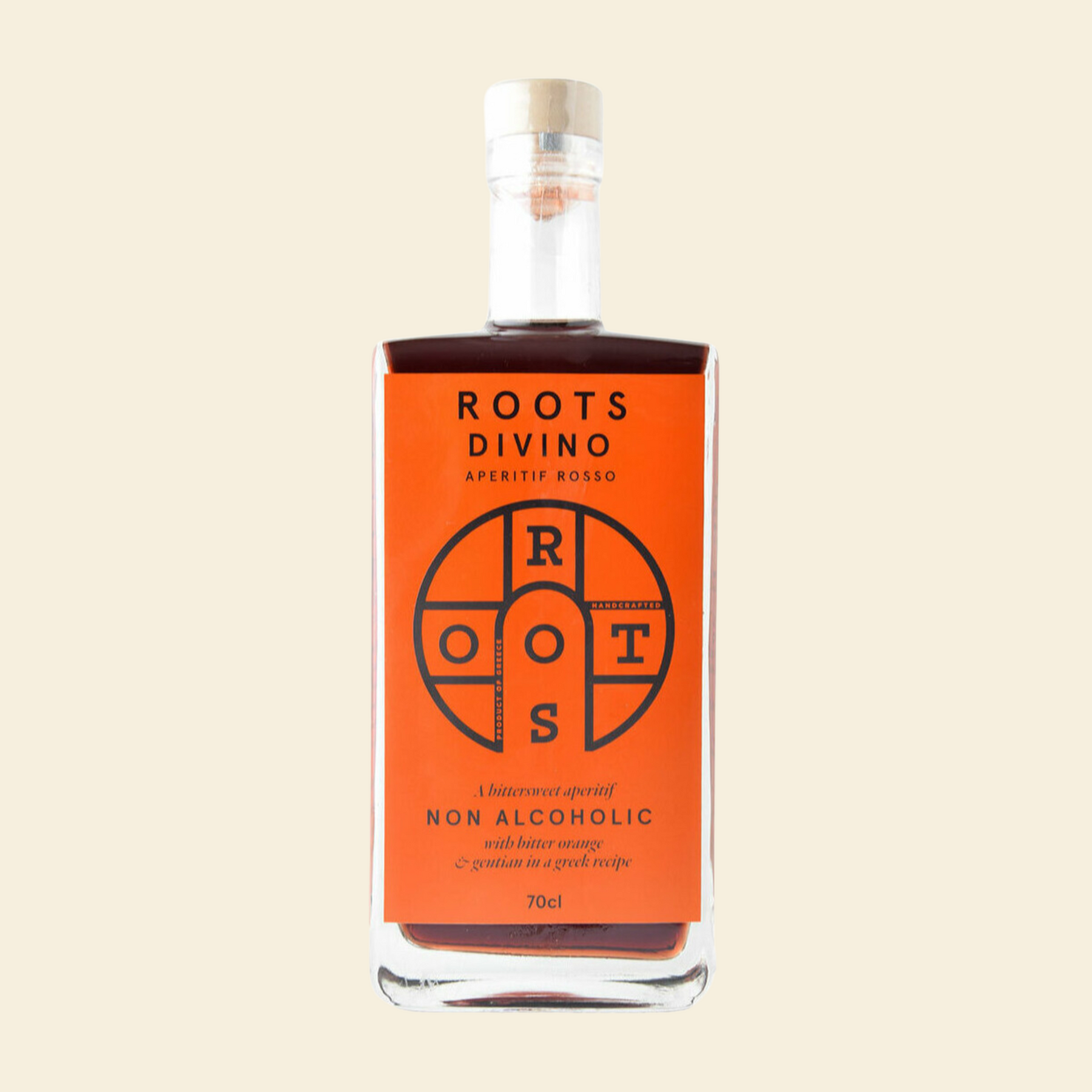
From Greece, I love Roots Divino, which I know pops up in your world too. I imagine it's a crowd favorite in California. I'm actually speaking to you from Greece right now with some Roots Divino in my fridge. Douglas drove two hours across this island to find the one grocery store big enough to carry it. Whether you're in Greece or not, it really does transport you to that Greek island feeling.
And finally, from Hong Kong, Mindful Sparks. It's not yet in the US, but their premium sparkling teas I tried were almost mind-boggling. I couldn't understand how they took tea and made it taste so complex and extraordinary. I'm genuinely begging the Mindful Sparks team to figure out how to get to America. If you're ever in Hong Kong, seek it out.